


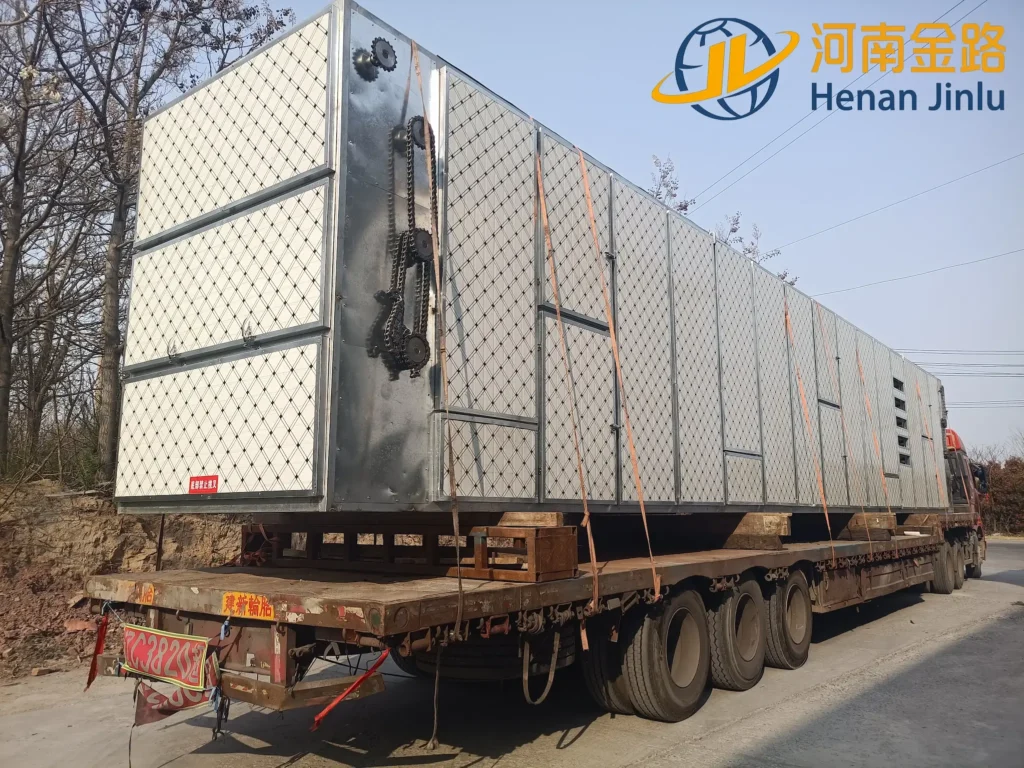
18-Meter Mint Dryer Shipped to Mengcheng – Upgrading China’s Herbal Processing Industry
On March 28, 2026, Jinlu Machinery Manufacturing Co., Ltd. successfully dispatched a custom-built 18-meter mint dryer to Mengcheng County, Anhui Province. Known as the “Hometown of Mint in China,” Mengcheng has large planting areas and concentrated harvesting periods that demand efficient, high-quality processing solutions. This shipment represents a significant milestone in modern herbal drying technology and agricultural industrialization.
The large-scale equipment was custom engineered to handle the specific characteristics of local mint production. With its impressive 18-meter length, the machine offers substantially higher processing capacity per batch than traditional methods, helping local processors meet growing market demands for premium herbal products.
Table of Contents
- Project Background and Significance for Mengcheng
- Custom Design Features of the 18-Meter Mint Dryer
- Advanced Low-Temperature Circulating Drying Technology
- Addressing Challenges of Traditional Sun-Drying Methods
- Intelligent Control System and Improved Thermal Efficiency
- Full On-Site Installation and Training Support
- Expected Impact on the Local Herbal Industry
- Contribution to Rural Revitalization
- Video Overview of the Mint Dryer Shipment
- Future Development of Specialized Drying Solutions

Project Background and Significance for Mengcheng
Mengcheng County has built a strong reputation for high-quality mint cultivation. However, traditional drying methods have long limited further development due to weather dependency, dust contamination, and inconsistent results. The arrival of this custom mint dryer provides a modern, reliable solution that supports large-scale production while maintaining strict quality standards for herbal and export markets.
Custom Design Features of the 18-Meter Mint Dryer
This mint dryer was specifically developed based on the unique needs of mint grown in Mengcheng. Its extended 18-meter length greatly increases single-batch processing capacity, making it ideal for the region’s concentrated harvest periods. The design focuses on gentle handling to protect the delicate leaves while ensuring efficient and uniform drying throughout the process.

Advanced Low-Temperature Circulating Drying Technology
At the heart of the equipment is advanced low-temperature circulating drying technology. This system achieves a chlorophyll retention rate of over 95%, effectively preserving the natural green color, aroma, and medicinal value of the mint leaves. Such high retention is especially important for high-end herbal tea, pharmaceutical ingredients, and export-oriented production.
Addressing Challenges of Traditional Sun-Drying Methods
For many years, mint processing in Mengcheng has depended on open-air sun drying, which is highly vulnerable to weather changes and often results in dust pollution and uneven quality. The new mint dryer eliminates these issues by providing controlled, weather-independent operation that delivers consistent results batch after batch.
Intelligent Control System and Improved Thermal Efficiency
The mint dryer features an intelligent control system that precisely regulates temperature and moisture levels. This not only safeguards product quality but also improves thermal efficiency by approximately 30% compared to conventional equipment. Lower energy consumption and more stable operation make the system both cost-effective and environmentally friendly for the customer.
Full On-Site Installation and Training Support
To ensure smooth delivery and rapid startup, professional engineers from Jinlu Machinery accompanied the shipment. A comprehensive one-week on-site service package includes installation supervision, operator training, trial runs, and maintenance guidance. This full support helps the customer achieve stable and efficient production from the very first day.
Expected Impact on the Local Herbal Industry
The introduction of this advanced mint dryer is expected to upgrade the entire local herbal processing sector in Mengcheng. Processors can now produce higher-quality mint that meets strict pharmaceutical and export standards, opening new market opportunities and increasing income for farmers and enterprises alike.
Contribution to Rural Revitalization
This project aligns well with China’s rural revitalization goals. By modernizing the drying process for a key local crop, it helps transform traditional agriculture into a more efficient, technology-driven industry. The mint dryer supports higher product value, reduced losses, and stable employment in rural areas.
Video Overview of the Mint Dryer Shipment
Watch the video below to see the 18-meter mint dryer being prepared for shipment and learn more about its design and intended operation at the customer’s facility in Mengcheng. https://www.youtube.com/embed/YOUR_VIDEO_ID_HERE
Future Development of Specialized Drying Solutions
Jinlu Machinery continues to focus on developing high-efficiency drying equipment tailored to various agricultural and herbal products. The successful shipment of this mint dryer highlights the company’s commitment to delivering customized, intelligent solutions that meet real production needs and support the growth of the herbal industry both domestically and internationally.
Contact us today to discuss your mint or herbal drying project. WhatsApp/WeChat: +86 150 9331 1739
Recommended reading on drying technology:
ISO Standards for Industrial Drying Equipment
U.S. Department of Energy – Industrial Drying Best Practices
Explore related equipment:
Mesh Belt Dryers
Rotary Dryers for Herbs
Summary
The shipment of the custom 18-meter mint dryer to Mengcheng County demonstrates Jinlu Machinery’s expertise in specialized drying solutions. With advanced low-temperature technology, excellent chlorophyll retention, improved energy efficiency, and comprehensive on-site support, this mint dryer is set to upgrade local herbal processing. It solves long-standing traditional drying challenges and contributes to higher quality, better market competitiveness, and rural economic development.